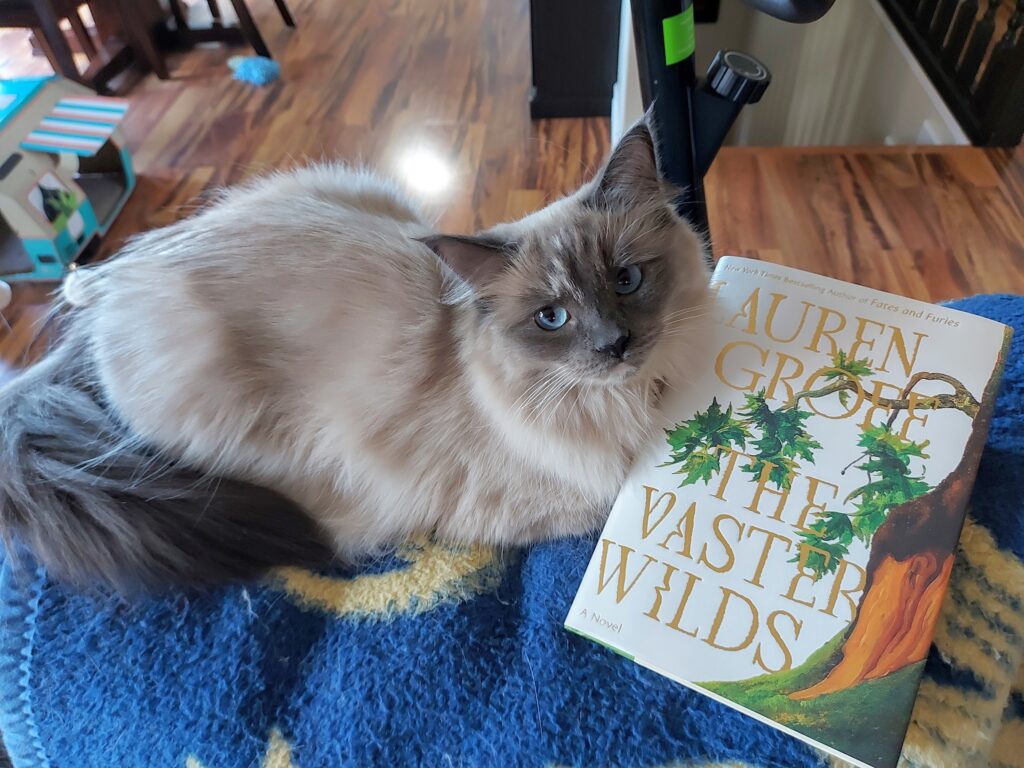
The Vaster Wilds is Lauren Groff’s latest novel. It is a beautifully written but bleak story about a girl trying to survive on her own in the wilderness. Compared to Groff’s other novels, The Vaster Wilds is a despairing read.
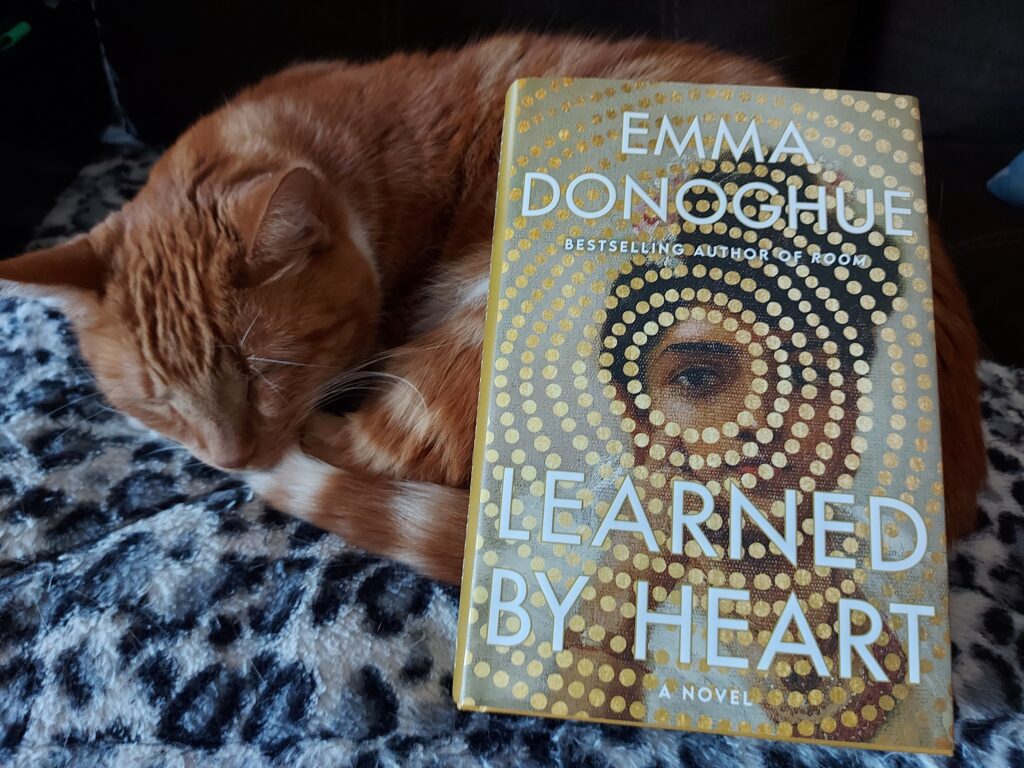
For those of you who have never heard of Anne Lister, she was a woman who lived in the early 19th century and who is known today as a very famous lesbian. She kept diaries written in code, and when the diaries were decrypted after her death, they revealed graphic details of her many lesbian relationships. I first learned of Anne Lister when I watched the BBC series Gentleman Jack, which focused on her relationship with Ann Walker, whom she “married” and was her partner until her death in 1840. Gentleman Jack is a fantastic series, and Anne Lister is a fascinating historical figure in how she openly lived an unconventional life for a woman of her time. She is what drew me to read Emma Donoghue’s latest novel, Learned by Heart, which is a fictional account of one of Anne Lister’s earliest relationships as a teenager with a girl she went to school with named Eliza Raine.
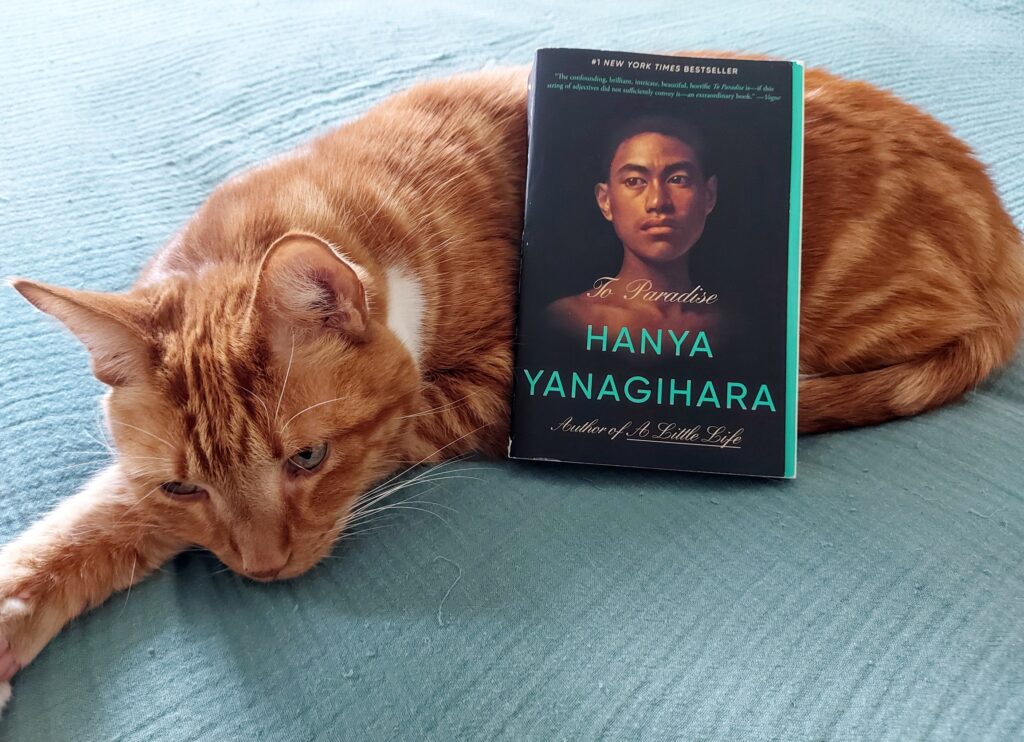
I love Hanya Yanagihara’s A Little Life, so I was pretty excited when I first heard about her follow up novel, To Paradise, until I started reading the reviews on Goodreads, which criticize the novel’s lack of cohesion and even suggest that it is boring. This put me off reading it until the paperback version came out. To Paradise consists of three very loosely connected stories about love, loss and finding one’s own version of paradise, and a Washington Square townhouse. I found the first two stories to be both interesting and boring at the same time, but the third and final story is what makes To Paradise worth reading.
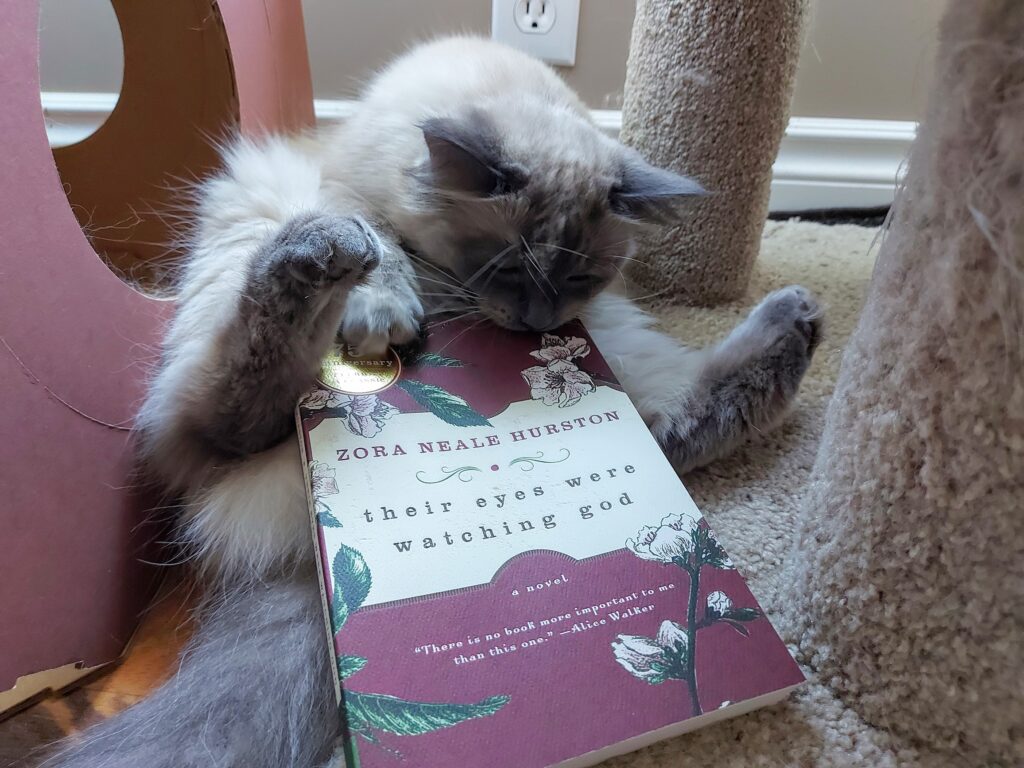
I can understand why the African American classic Their Eyes Were Watching God is considered an important work of 20th century American literature. First published in 1937, it is a novel written by a Black female writer and it tells the story of a Black female protagonist, Janie, from her own perspective, at a time when stories were seldom told from the female perspective, and if they were, it was from a (white) man’s idea of the female perspective. Their Eyes Were Watching God is also mostly told in the Black vernacular, which makes Janie’s story more authentic, but also makes it a more challenging read. I am usually a speed reader, but I had to force myself to slow down while reading this novel so that I did not miss anything.
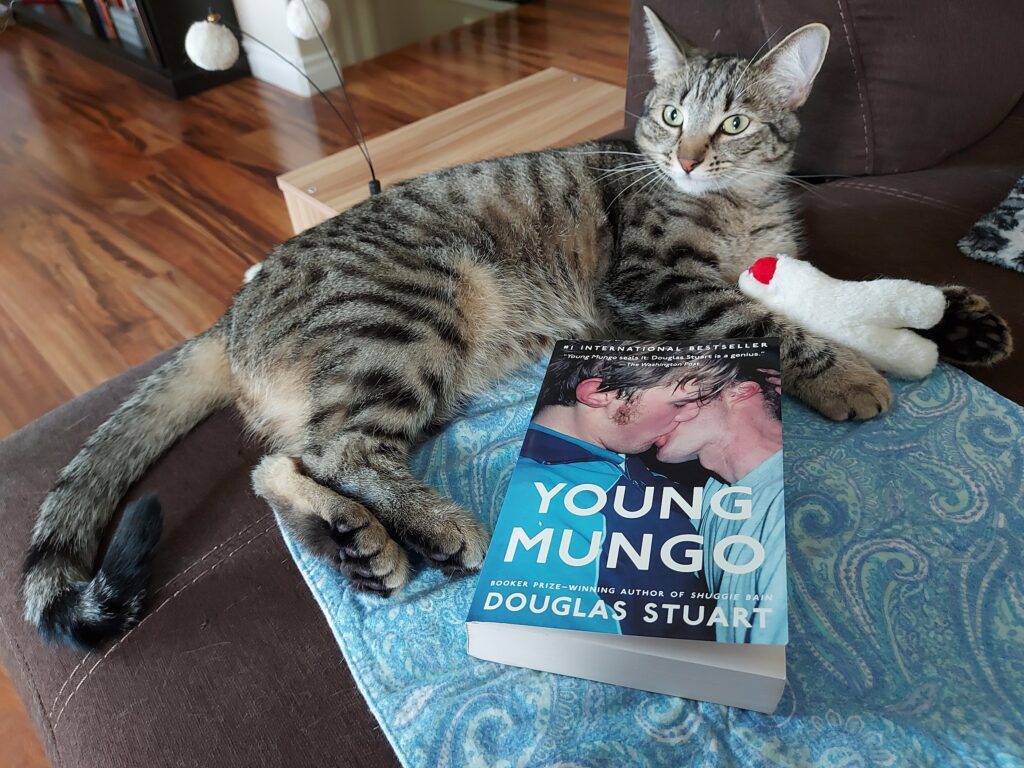
When I first heard about Young Mungo, I thought it was going to be Shuggie BainVersion 2.0. Both novels are set in working-class neighbourhoods in Scotland in the late 20th century and both novels are about a queer boy with an alcoholic mother. However, while Shuggie Bain is by no means full of sunshine and rainbows, Young Mungo is a much darker, violent novel.
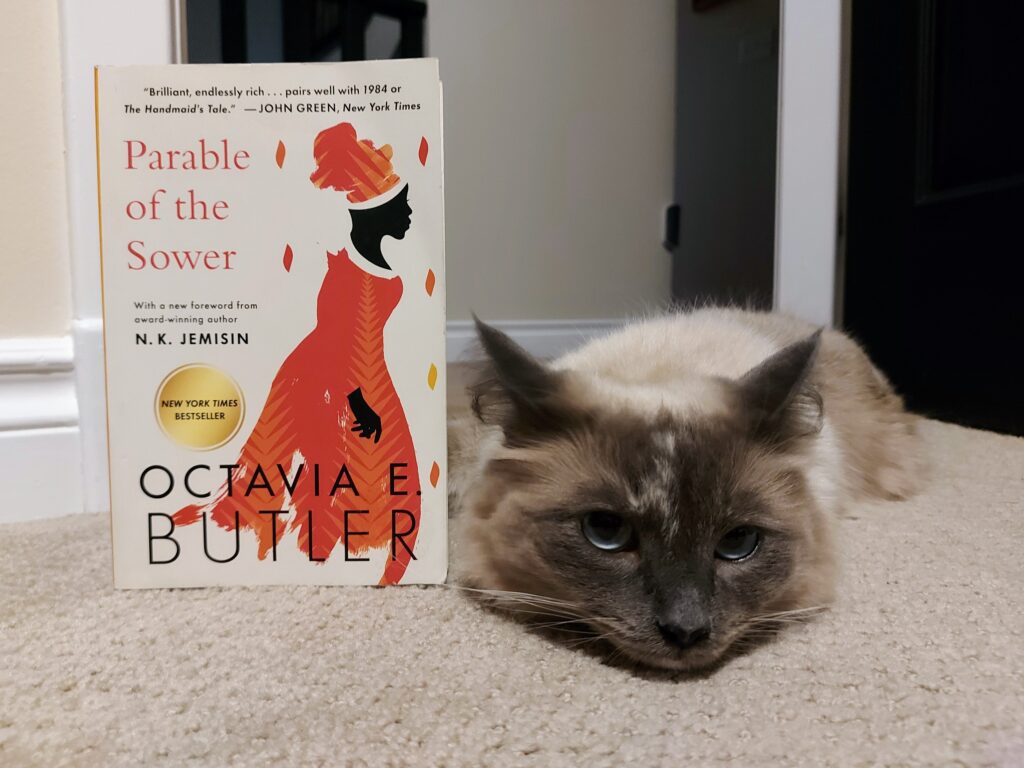
You have probably heard of Octavia E. Butler, who was a renowned writer of science fiction novels and who wrote at a time when there was not a lot of female sci-fi writers, let alone Black ones. Sci-fi is not a genre that I gravitate towards, so I had never read any of Butler’s novels. But since I am always expanding my reading horizons, I wanted to give Butler a try and came across Parable of the Sower. It turns out Parable of the Sower is not so much sci-fi as it is speculative fiction. It is set in a dystopian future where climate change has led to the break down of societal and economic norms. I think Parable of the Sower is an interesting novel, and I am glad that I read it, but to be honest, it does not inspire me to want to read the second novel (Parable of the Talents). I kind of wish that I had picked another one of Butler’s novels to read instead.
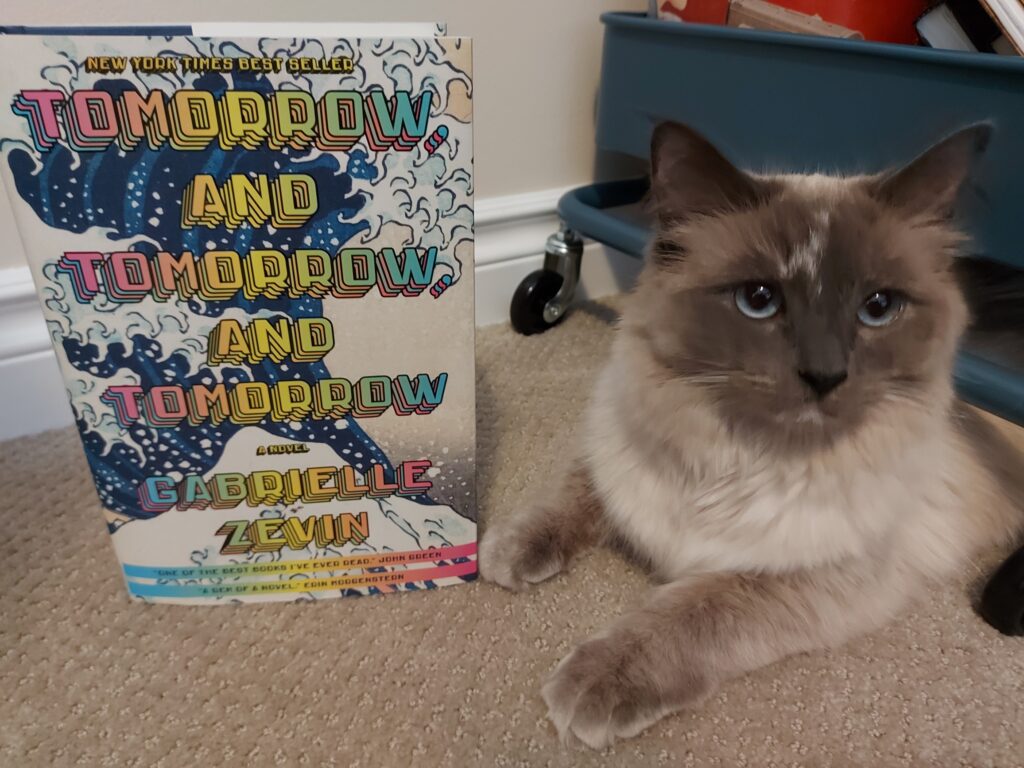
Okay, so I totally get the hype surrounding Gabrielle Zevin’s Tomorrow, and Tomorrow, and Tomorrow, although I would not go as far as John Green and call it the best book I have ever read it. It is a fantastic novel, though. It is a compelling and epic story about friendship that will suck you in and shatter your heart before putting the pieces back together so you feel content with the end. The characters are so well developed and complicated and mostly likeable, that you cannot help but become invested in their fictional lives. Not many books can make me cry, but this one certainly did.
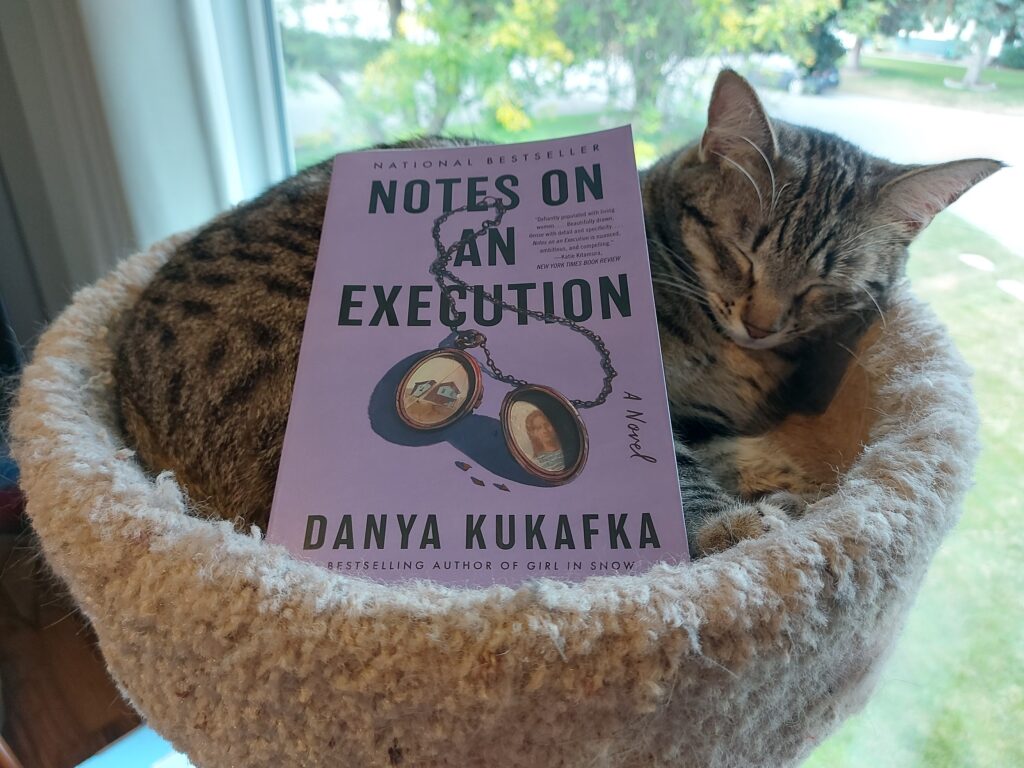
I think we have an unhealthy obsession with true crime. There is a plethora of true crime podcasts to listen to, and Ryan Murphy keeps churning out one true crime miniseries after another on Netflix. A recent series of Murphy’s, Dahmer – Monster: The Jeffrey Dahmer Story, is about the serial killer who killed at least seventeen men between the years 1978 and 1991. Evan Peters played Jeffrey Dahmer and there was some online chatter about how empathetic he portrayed Dahmer, which led to some viewers developing a crush on him as he portrayed a serial killer. The family members of Dahmer’s victims said they were not consulted about the series. They have had old wounds ripped open and watched their lives turned into entertainment without their permission. But nobody cares what the people who survive monsters like Dahmer think, so long as they can produce content to satiate the public’s thirst for these “intriguing” men who commit murder. Danya Kukafka subverts this disturbing mania for serial killers in her thought-provoking novel Notes on an Execution, where the serial killer’s life is told through the perspective of the women in his life, revealing that there is nothing intriguing about serial killers after all.
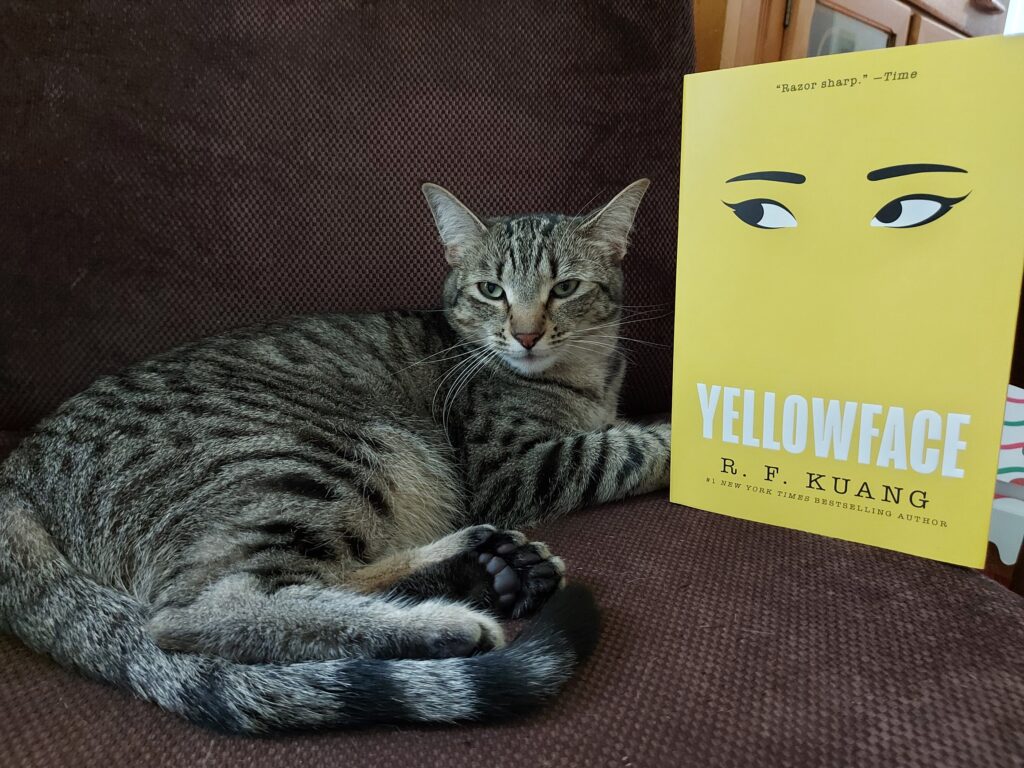
Yellowface is quite the divergence from R. F. Kuang’s last novel, Babel. It is a contemporary satire of the publishing industry, which I am surprised even got published. It does not hold back in its criticism of the racism that permeates the industry. Like Birnam Wood, I cannot say that I liked reading Yellowface. The novel’s “protagonist” is just so awful, I was angry the entire time I read it. However, it is a very interesting behind the scenes look at the publishing industry and how successful writers are made.
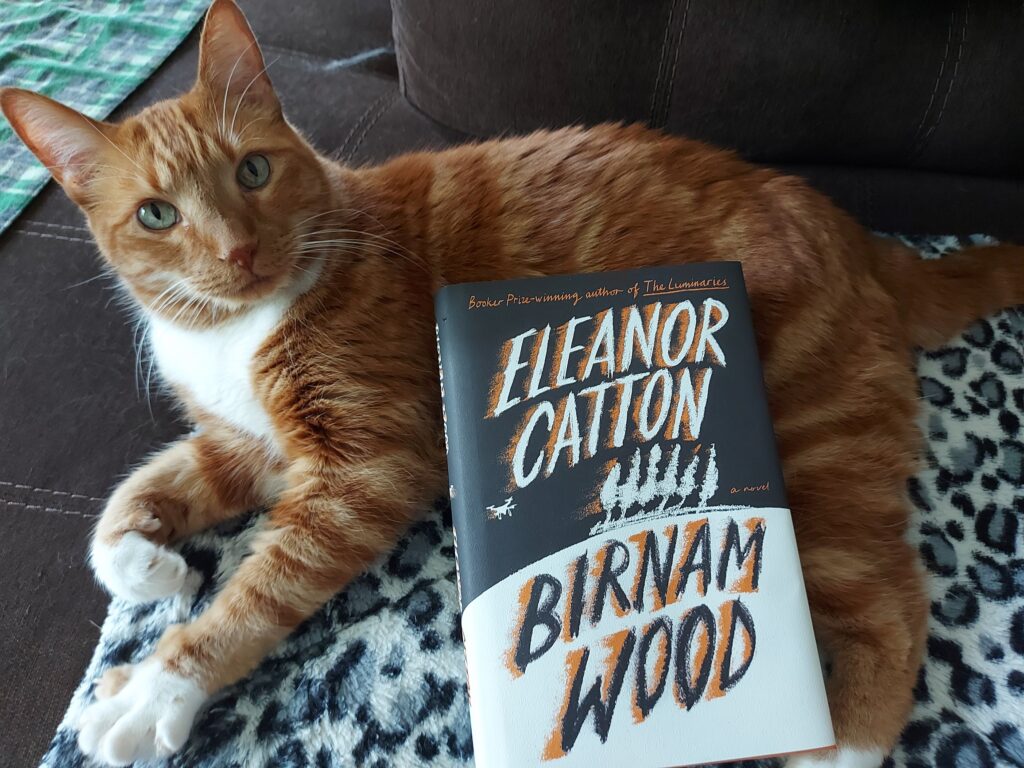
I have read Eleanor Catton’s two other novels, The Rehearsal, which I did not like, and The Luminaries, which I found interesting enough to keep in case I want to read it again. Birnam Wood, published ten years after The Luminaries, is already being named one of the best releases of this year. This was enough to pique my interest, but the plot, a psychological eco-thriller set in New Zealand involving a gardening collective and a billionaire, was what compelled me to read it in the end. I cannot say that I liked reading Birnam Wood (named after the Birnam Wood referenced in Shakespeare’s MacBeth, which I will not even try to parse because I do not enjoy reading Shakespeare), but I do find it to be a fascinating novel. When I finished reading the novel’s shocking ending, my first reaction was WTF and then my second reaction was I wish I had someone to discuss this novel with.