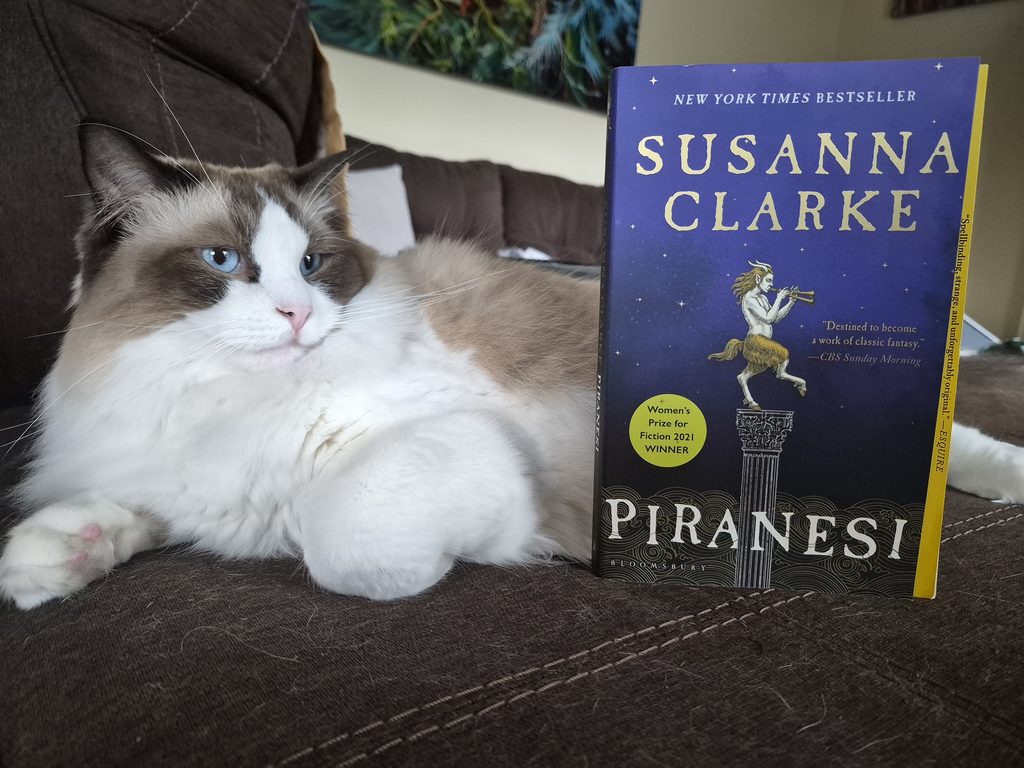
Susanna Clarke’s Piranesi is one of those books I keep seeing on lists of books you should read and after many years, curiosity finally got me to the point of reading it. It is a strange little book that I don’t think is for everyone, but I really like it.
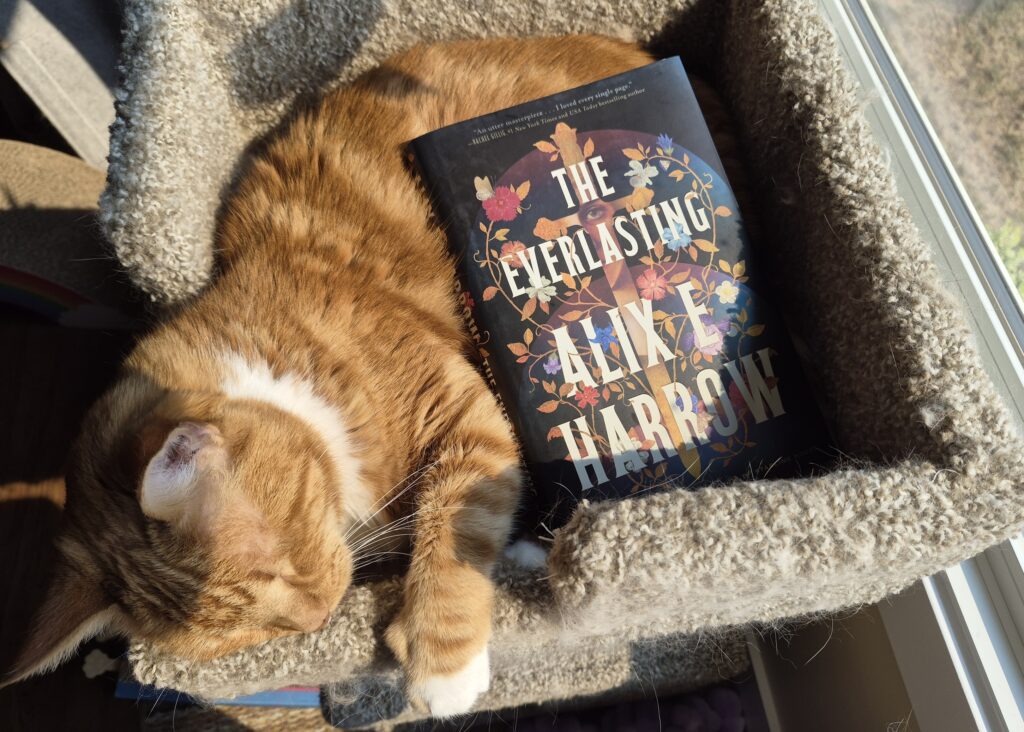
I really liked Alix E. Harrow’s Starling House, so when I saw The Everlasting in my local independent bookstore, I knew I should read it, especially after reading the synopsis, and it turned out to be better than I hoped it would be.
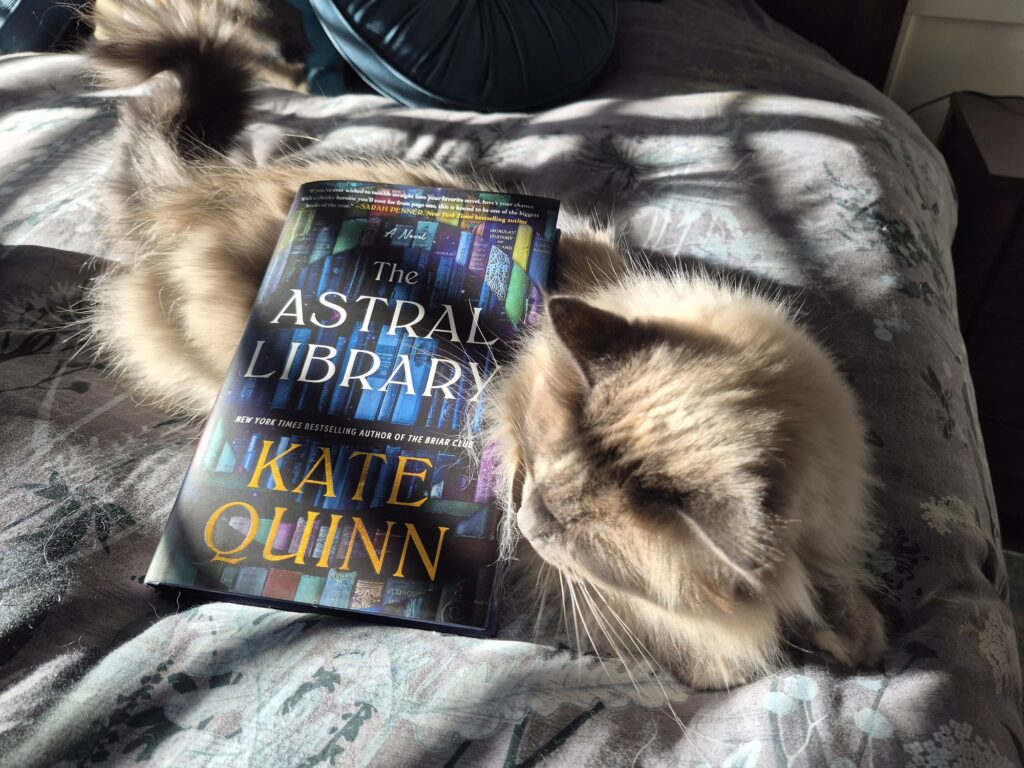
Kate Quinn has appeared many times on my blog for her mid-twentieth century historical fiction, but The Astral Library is her first fantasy novel. The Astral Library poses the question, “Have you ever wished you could live inside a book?” What kind of a bibliophile would I be if I haven’t ever imagined living inside one of my favourite stories? I found the first couple of chapters of The Astral Library very difficult to get through, but once I did, this novel ended up being a fun read.
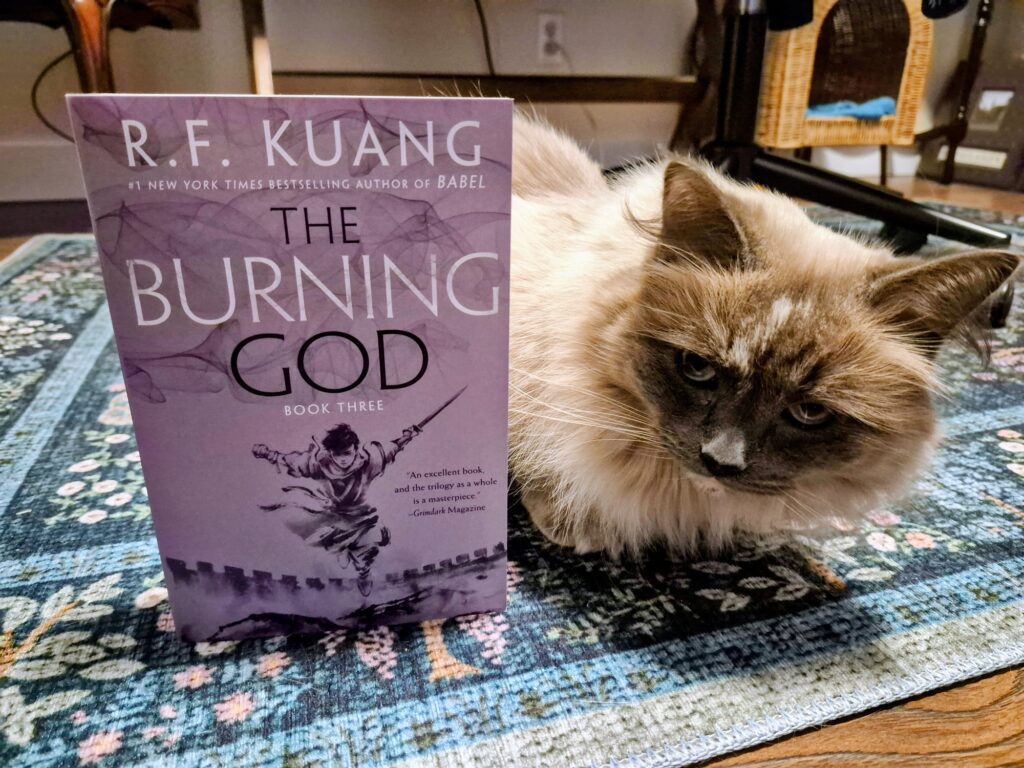
The Burning God is the final book of The Poppy Wartrilogy. Although I liked this book better than The Dragon Republic, my favourite is the first book, before the story devolved into one long civil war. If you are a fan of the fantasy genre, and do not find war to be a tedious subject, then I think you will enjoy this trilogy.
Spoilers ahead for both The Poppy War and The Dragon Republic, just in case you plan on reading them.
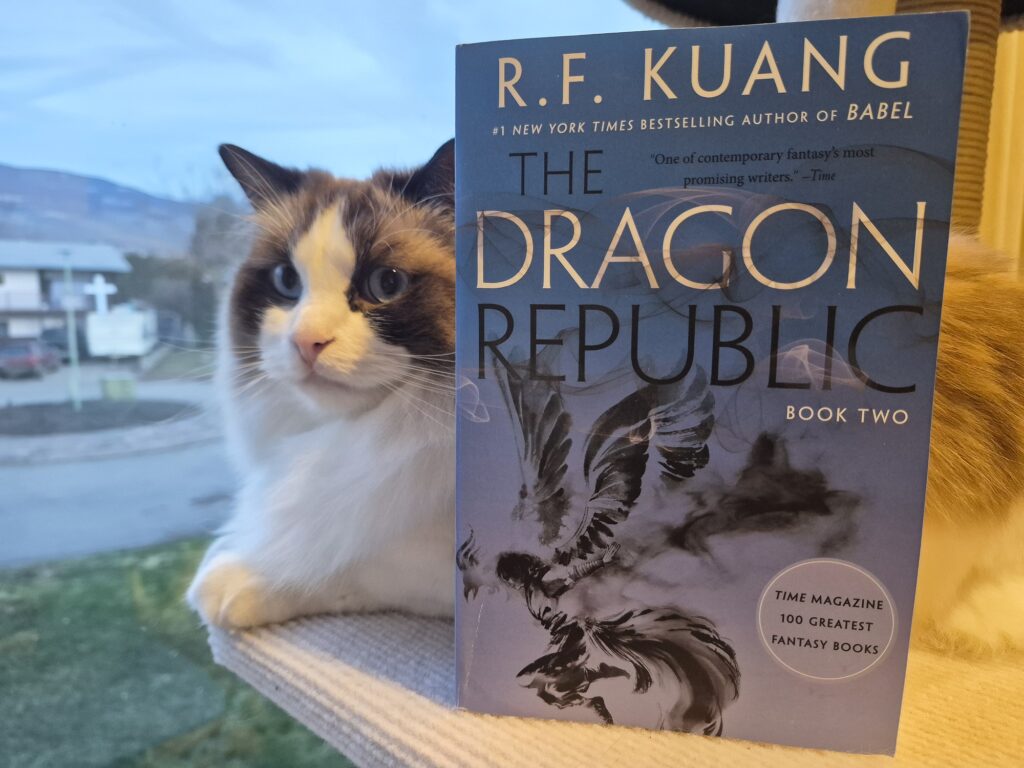
I think I waited too long after finishing The Poppy War to read book two of the trilogy, The Dragon Republic, because the story has lost momentum for me and Rin is becoming an exasperating protagonist.
If you plan on reading The Poppy War, obviously do not continue reading this review of The Dragon Republic as there are spoilers.
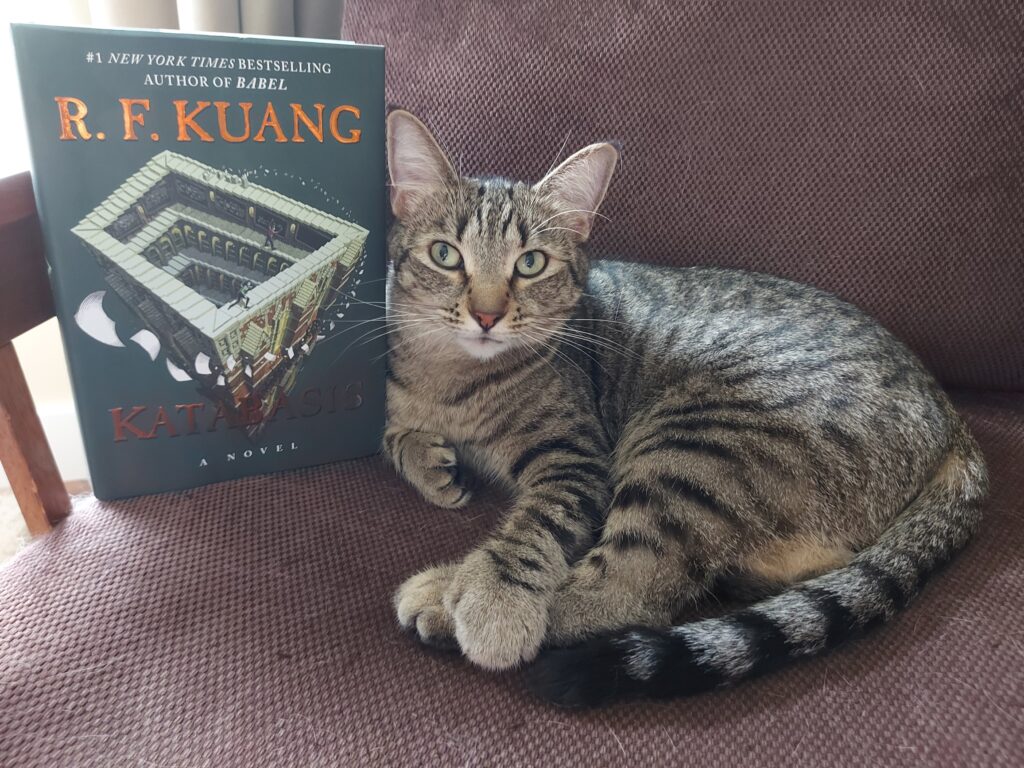
Katabasis was my most anticipated book of the year; I have been really excited about reading this one. While I think it is a good novel, unfortunately, I do not like it as much as Babel. And I wanted so much to love Katabasis, but I really do not care much for the novel’s protagonist, which seems to be a thing I experience with dark academia novels.
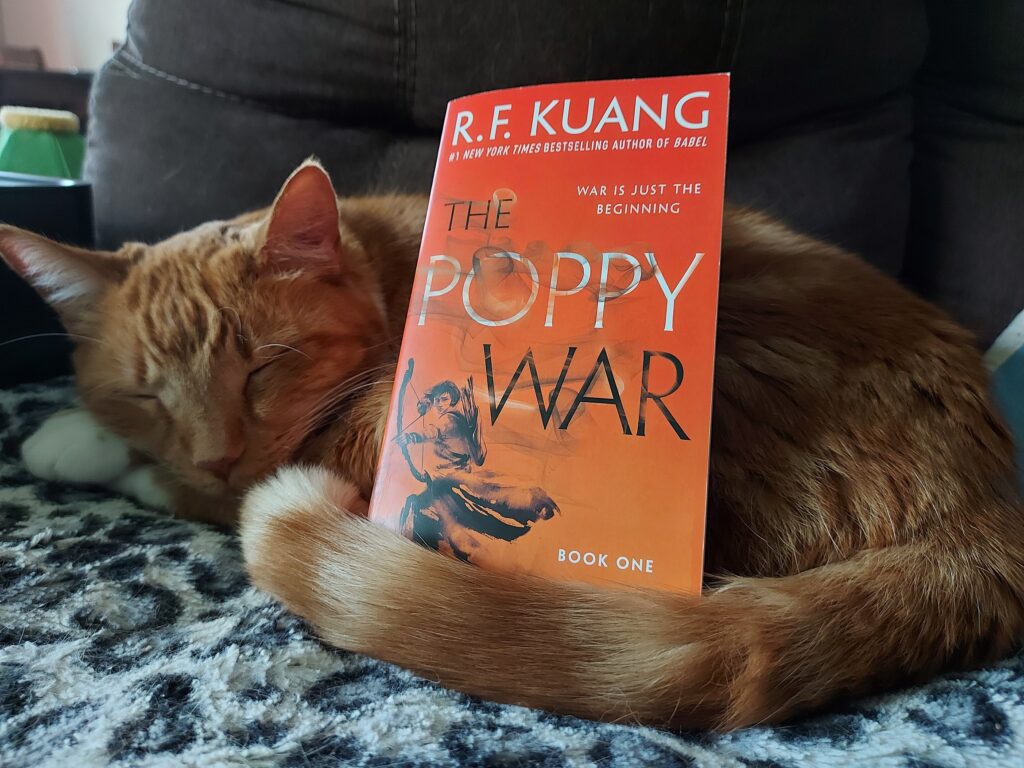
The Poppy War is a popular fantasy novel and one of Time Magazine’s 100 Best Fantasy Books of All Time. I am not a huge fan of the fantasy genre, especially fantasy stories about war, but I really enjoyed reading Kuang’s Babel, so I thought it was time to give The Poppy War, her first novel, a chance. I do not like The Poppy War as much as I like Babel, but I think it is an interesting story with a compelling protagonist.
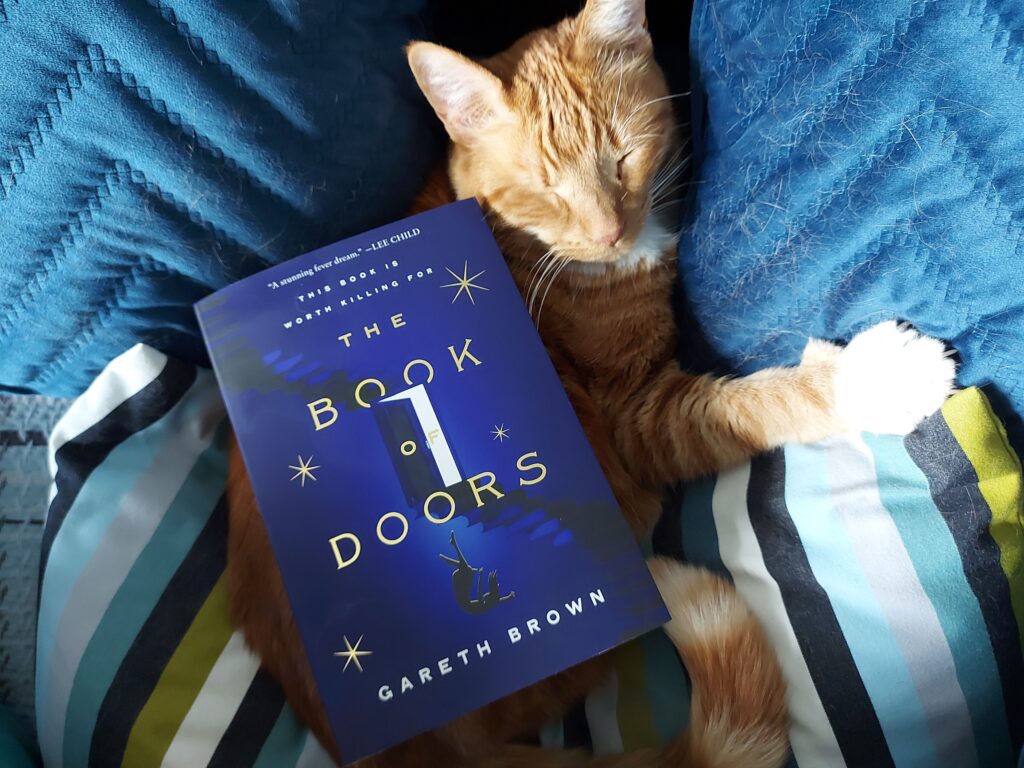
I came across The Book of Doors while browsing my local Indigo bookstore. The inside book flap says that this novel is for readers of The Midnight Libraryby Matt Haig, which almost made me pass it over, but then it said that this novel is also for readers of The Invisible Life of Addie LaRue by V.E. Schwab, which is a book that I really enjoyed reading, so I decided to give The Book of Doors a chance. I like it better than The Midnight Library, but it does not hold a candle to The Invisible Life of Addie LaRue. The Book of Doors is an interesting idea, but I really do not care much for certain aspects of the novel.
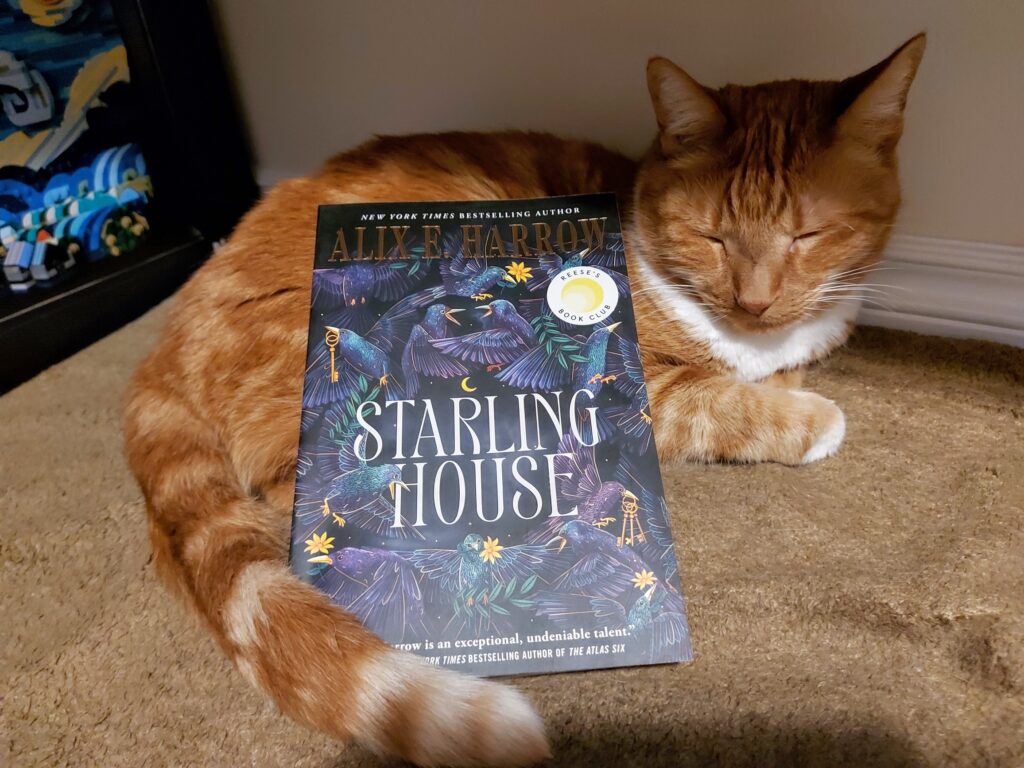
I was initially put off by Starling House because of the “Reese’s Book Club” decal on the cover1. However, I kept seeing this book on different websites with good reviews, and it is described as a gothic novel – a genre that is like catnip to me – so I knew I had to read it. Although this book did not turn out to be as creepily gothic as I hoped, I found Starling House to be an entertaining read.
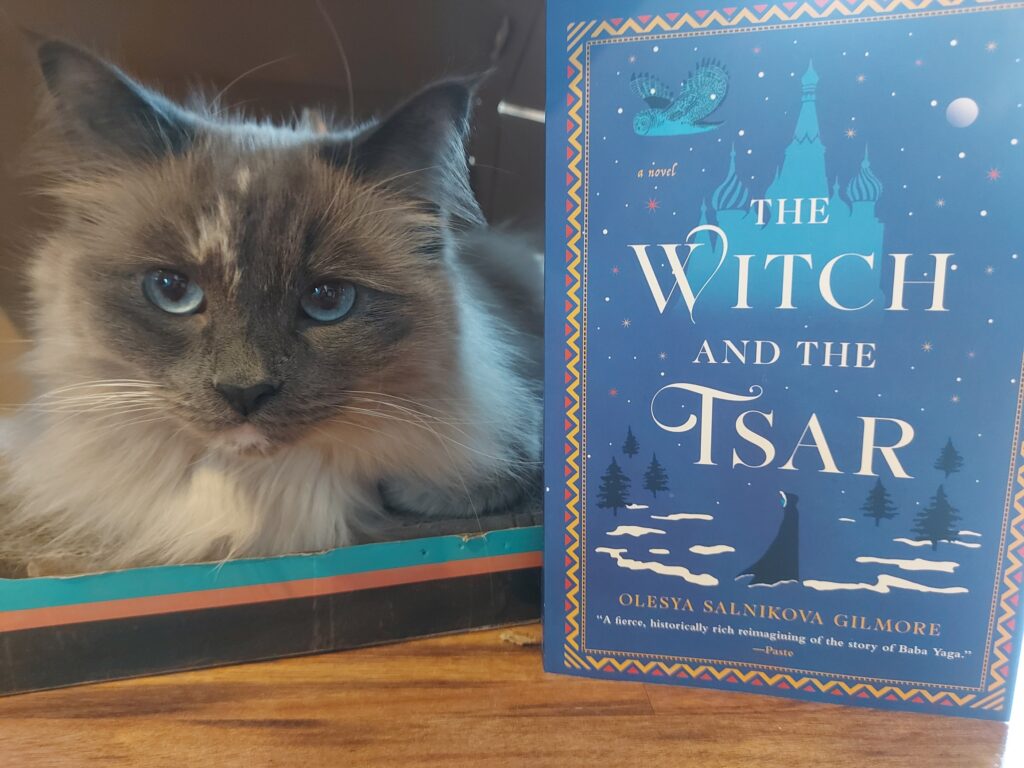
The Witch and the Tsar has all the makings of a novel that I would like: historical fiction, magical realism, an interesting back story featuring a mythology I am not familiar with, and a strong female protagonist; however, I just was not that into it. I did not think about not finishing The Witch and the Tsar, but I was not excited to get back to reading it every night before bedtime.