Winter Garden by Kristin Hannah
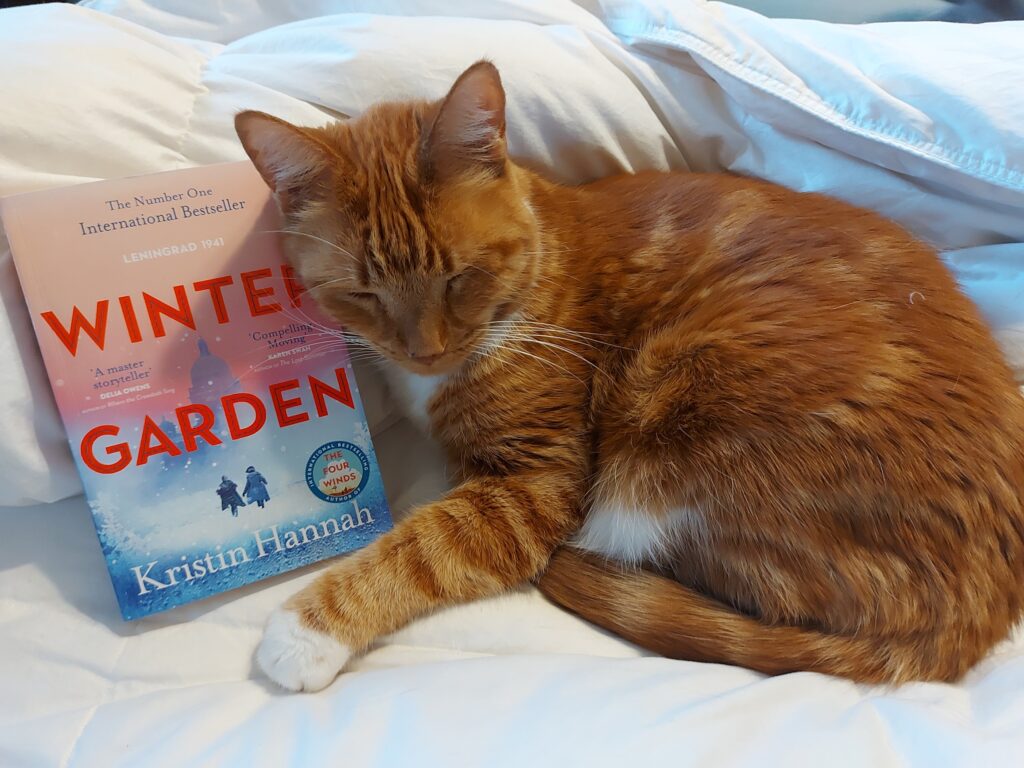
As I said, I am continuing to read Kristin Hannah’s novels (at least the ones that sound interesting to me). I like Winter Garden better than The Four Winds, but like The Four Winds, Winter Garden can’t hold a candle to The Nightingale.
Winter Garden is about two sisters, Meredith and Nina, and their strained relationship with their Russian-born mother, Anya. Anya keeps her daughters at arm’s length and treats them coldly. Meredith and Nina’s father does his best to make up for his wife’s coldness by giving his daughters lots of love, affection and encouragement. On his deathbed, he encourages his wife and daughters to reconcile by asking Anya to once again tell Meredith and Nina the fairytale that she used to tell them as children.
Initially I found Winter Garden to be a frustrating read because of the characters. Meredith, who prides herself on not being like her mother, is actually more like her mother than she realizes, and Nina shirks her familial responsibilities to chase the high of being a photojournalist in war zones. But that’s the thing about generational trauma, it’s frustrating and it affects everyone. It is also difficult to convince your family to open up when they are used to keeping their hurt locked up inside.
Meredith and Nina’s father dies before Anya can finish retelling her fairytale, but Nina is like a dog with a bone and convinces Anya to keep telling her story. Eventually, Meredith and Nina realize that Anya is not telling them a fairytale at all, but rather about her life in Leningrad during WWII. Once the fairytale pretense is dropped, Winter Garden becomes a more interesting and compelling story. Hannah’s ability to pull the reader into the past within the pages of her novels will probably never cease to amaze me. Anya’s harrowing story about surviving Russian winters with hardly any food to feed her children and the constant threat of invasion by the German army is both captivating and heartbreaking. It stirred up a despairing feeling in me about the suffering that people are capable of inflicting upon each other.
I would have been satisfied with the novel ending with Meredith and Nina helping Anya move through her trauma and the three of them learning how to love each other, but Hannah takes it further than that and includes a revelation right at the end of the novel which felt contrived beyond belief, and this is coming from a person who loves a happy ending. It seems like a strange misstep to me, but this is still a great book for fans of historical fiction.